inert gas

what is inert gas

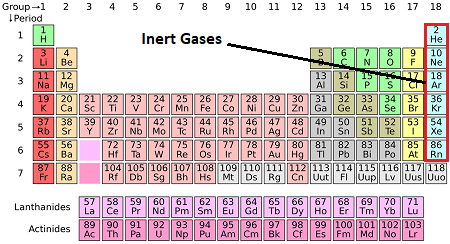
Inert gases, also known as noble gases, are a group of chemical elements on the periodic table. These gases are characterized by their low reactivity and stability due to their full complement of electrons in their outermost electron shell. The noble gases include:

  1. Helium (He)
  2. Neon (Ne)
  3. Argon (Ar)
  4. Krypton (Kr)
  5. Xenon (Xe)
  6. Radon (Rn)
inert gas

meaning of inert gas

The term “inert gas” refers to a group of chemical elements on the periodic table known as noble gases. These gases are characterized by their low reactivity and stability due to having a full complement of electrons in their outermost electron shell. The noble gases include helium (He), neon (Ne), argon (Ar), krypton (Kr), xenon (Xe), and radon (Rn).

Because of their inert nature, these gases do not readily form compounds with other elements or undergo chemical reactions under normal conditions. They are called “inert” because they were initially thought to be completely non-reactive. However, in modern laboratories, some compounds involving noble gases have been synthesized under special conditions, challenging the idea of their absolute inertness.

In practical terms, inert gases are used in various applications where their stability and non-reactivity are advantageous, such as welding, lighting, cryogenics, and as shielding gases in various industrial processes. They are also used in scientific research, analytical instrumentation, and specialized technologies due to their unique properties.

Must Read : Corrosion Inhibitor

is nitrogen a inert gas

Nitrogen is not considered a noble gas or an inert gas in the same sense as helium, neon, argon, and the other noble gases. While nitrogen is chemically less reactive than some other elements, it is not inert in the same way that noble gases are.

Noble gases, like helium and neon, are known for their extremely low reactivity and inability to readily form compounds with other elements under normal conditions. In contrast, nitrogen is a diatomic molecule consisting of two nitrogen atoms (N2) and can participate in various chemical reactions, especially under certain conditions.

Nitrogen is a component of the Earth’s atmosphere, making up about 78% of the air we breathe. While it is relatively stable and unreactive at room temperature and pressure, it can react with other elements under specific conditions, such as in high-temperature combustion reactions or when exposed to certain catalysts. Therefore, nitrogen is not classified as an inert gas or noble gas but rather as a diatomic non-metal gas with limited reactivity under typical circumstances.

inert gas list

The inert gases, also known as noble gases, are a group of chemical elements on the periodic table known for their low reactivity and stability due to their full complement of electrons in their outermost electron shell. The noble gases include:

  1. Helium (He)
  2. Neon (Ne)
  3. Argon (Ar)
  4. Krypton (Kr)
  5. Xenon (Xe)
  6. Radon (Rn)

These gases are called “inert” because they were initially thought to be completely non-reactive. However, some compounds involving noble gases have been synthesized under special conditions in modern laboratories, challenging the idea of their absolute inertness. Nonetheless, in everyday applications, they are still considered highly stable and unreactive.

pseudo inert gas configuration

A “pseudo-inert gas configuration” refers to the electron configuration of an atom or ion that mimics the stable electron arrangement of noble gases, even though it is not a noble gas itself. This arrangement is achieved by filling the electron shells in a way that resembles the outermost electron configuration of a noble gas.

Commonly, atoms and ions achieve a pseudo-inert gas configuration through electron gain or loss in chemical reactions. This can result in achieving a stable, noble gas-like electron configuration in the outermost electron shell, which is also known as the valence shell. This stable configuration makes the atom or ion less reactive, similar to noble gases.

For example, consider the element chlorine (Cl). Chlorine has an electron configuration of 1s² 2s² 2p⁶ 3s² 3p⁵. By gaining one electron, it can achieve a pseudo-inert gas configuration similar to argon (Ar) with the electron configuration of 1s² 2s² 2p⁶ 3s² 3p⁶. In this new configuration, chlorine behaves more like an inert, noble gas, and it is less reactive.

Similarly, elements like sodium (Na) can lose one electron to achieve a pseudo-inert gas configuration like neon (Ne), which makes them more stable and less reactive.

Pseudo-inert gas configurations are important in understanding chemical bonding and the reactivity of elements in various chemical reactions.

Noble Gases List 

Certainly, here is a table presenting the inert gases (noble gases) with their atomic number, periodic number, element name, and electronic configuration:

ElementAtomic NumberPeriodic NumberElectronic Configuration
Helium211s²
Neon1021s² 2s² 2p⁶
Argon1831s² 2s² 2p⁶ 3s² 3p⁶
Krypton3641s² 2s² 2p⁶ 3s² 3p⁶ 4s² 3d¹⁰ 4p⁶
Xenon5451s² 2s² 2p⁶ 3s² 3p⁶ 4s² 3d¹⁰ 4p⁶ 5s² 4d¹⁰ 5p⁶
Radon8661s² 2s² 2p⁶ 3s² 3p⁶ 4s² 3d¹⁰ 4p⁶ 5s² 4d¹⁰ 5p⁶ 6s² 4f¹⁴ 5d¹⁰

This table provides a concise overview of the inert gases and their key properties.

What is the difference between noble gases and inert gases?

Certainly, here’s a table summarizing the key differences between noble gases and inert gases:

AspectNoble GasesInert Gases
DefinitionA specific group of elements in Group 18 of the periodic table.A broader term referring to gases with low reactivity.
ElementsHelium (He), Neon (Ne), Argon (Ar), Krypton (Kr), Xenon (Xe), Radon (Rn).May include noble gases but can also encompass other gases like nitrogen and carbon dioxide.
Electron ConfigurationAll have a full complement of electrons in their outermost electron shell.May or may not have full outer electron shells, depending on the specific gas.
ReactivityExtremely low reactivity and stability due to full outer electron shells.Generally low reactivity but not as universally stable as noble gases.
Common UsageUsed in various applications due to their stability and low reactivity.Also used in various applications where low reactivity is desired, but broader in scope.

This table provides a clear comparison between noble gases and inert gases, highlighting their definitions, elements, electron configurations, reactivity, and common usage.

application of inert gas

Inert gases, also known as noble gases, have various applications due to their unique properties of low reactivity and stability. Here are some common applications of inert gases:

  1. Welding: Argon and helium are often used as shielding gases in welding processes. They create an inert atmosphere around the weld, preventing oxidation and improving the quality of the weld.
  2. Lighting: Neon, argon, and krypton are used in various types of lighting, including neon signs, fluorescent lights, and high-intensity discharge (HID) lamps. When an electric current is passed through these gases, they emit colorful and bright light.
  3. Cryogenics: Helium is a critical coolant in cryogenic applications. It is used to cool superconducting magnets in devices like MRI machines, particle accelerators, and some scientific experiments.
  4. Calibration: Helium and other noble gases are used in analytical instruments like mass spectrometers and gas chromatographs for calibration and as carrier gases for accurate analysis.
  5. Balloons: Helium is commonly used to fill balloons because it is lighter than air. This property makes balloons float, creating a fun and festive atmosphere at events.
  6. Diving: A mixture of helium and oxygen, known as heliox, is used in deep-sea diving. Helium’s low density reduces the risk of nitrogen narcosis, a condition that can occur at great depths when breathing air.
  7. Space Exploration: Xenon is used as a propellant in ion thrusters on spacecraft. These engines provide efficient and long-lasting propulsion for missions to outer space.
  8. Preservation: Inert gases like argon are used to preserve sensitive materials, such as valuable artworks, historical documents, and archaeological artifacts. By creating an oxygen-free environment, these gases help prevent degradation and decay.
  9. Food Packaging: Inert gases, especially nitrogen, are used in food packaging to extend the shelf life of perishable products. Nitrogen helps prevent spoilage and oxidation by displacing oxygen inside packaging containers.
  10. Fire Suppression: Some inert gases, such as argon and nitrogen, are used in fire suppression systems in areas where water-based systems may cause damage, such as data centers and archives. These gases reduce oxygen levels, suppressing fires without using water.
  11. Chemical Reactions: Inert gases can be used to create controlled atmospheres in chemical reactions. For example, they can prevent unwanted reactions or stabilize reactive substances.
  12. Laboratory and Research: Inert gases are valuable in various scientific and research applications, including spectroscopy, laser technology, and materials synthesis.

These applications highlight the versatility and importance of inert gases in a wide range of industries and scientific endeavors, primarily due to their ability to maintain stable and unreactive environments.

advantages of inert gas

The use of inert gases, also known as noble gases, offers several advantages in various applications due to their unique properties of low reactivity and stability. Here are some key advantages of inert gases:

  1. Non-Reactivity: Inert gases are chemically stable and do not readily undergo chemical reactions with other elements or compounds. This makes them useful in situations where avoiding chemical reactions is essential, such as in welding, where they create a protective atmosphere.
  2. Heat Resistance: Inert gases are often used in high-temperature applications because they can maintain their stability and non-reactivity even at elevated temperatures. This makes them suitable for processes like metal welding and heat treatment.
  3. Safety: Inert gases are generally safe to handle and store because they do not support combustion or react with most materials. This property is important in fire suppression systems and for preventing explosions in certain industrial processes.
  4. Purity: Inert gases are typically available in high levels of purity, which is crucial in applications such as analytical chemistry, where even trace impurities can affect results.
  5. Stable Electrical Properties: Noble gases have stable electrical properties, which make them valuable in lighting applications. When an electric current is passed through them, they emit a consistent and reliable light, as seen in neon signs and fluorescent lamps.
  6. Non-Toxic: Inert gases are generally non-toxic, making them safe for use in various applications, including food packaging, preservation, and medical applications like MRI cooling.
  7. Long Shelf Life: It is often used in food packaging to extend the shelf life of perishable products. Their non-reactivity helps prevent spoilage and oxidation.
  8. Efficient Propulsion: Xenon, an inert gas, is used in ion thrusters for spacecraft propulsion. Ion thrusters are highly efficient and provide continuous thrust, making them suitable for long-duration missions in space.
  9. Reduced Risk of Nitrogen Narcosis: In deep-sea diving, helium (an inert gas) is used in breathing gas mixtures to reduce the risk of nitrogen narcosis, a condition that can occur at great depths when breathing air.
  10. Preservation: It like argon are used to preserve valuable and sensitive materials, such as historical artifacts and artwork, by creating oxygen-free environments that prevent degradation.
  11. Controlled Atmospheres: It can be used to create controlled atmospheres in industrial and research settings, allowing for precise control of chemical reactions and material properties.
  12. Reduced Corrosion: It can help reduce corrosion in certain environments by displacing reactive gases like oxygen and moisture.

Overall, the advantages of inert gases stem from their ability to maintain stable, non-reactive conditions, making them valuable in a wide range of industrial, scientific, and safety-related applications.

disadvantages of inert gas

While inert gases, or noble gases, offer several advantages, there are also some disadvantages associated with their use:

  1. Limited Availability: Noble gases are relatively rare in the Earth’s atmosphere, with helium being the most abundant among them. This limited availability can make them relatively expensive compared to more common gases.
  2. Energy-Intensive Production: The production of some inert gases, like helium, can be energy-intensive and involve complex processes, which can contribute to their high cost and environmental impact.
  3. Non-Renewable Resources: Helium, in particular, is derived from natural gas reserves, which are considered non-renewable resources. There is concern about the depletion of helium reserves over time.
  4. Safety Concerns: It can displace oxygen in confined spaces, potentially leading to asphyxiation if not handled properly. Adequate safety measures and monitoring are necessary when working with inert gases in enclosed environments.
  5. Environmental Impact: Some inert gases, such as xenon and krypton, are greenhouse gases when released into the atmosphere. While their concentrations are low, their impact on climate change should not be overlooked.
  6. Limited Reactivity: While the low reactivity of inert gases is advantageous in many applications, it can also be a disadvantage when a reaction is desired. In certain chemical processes, the inertness of these gases can hinder desired reactions.
  7. Cost: Inert gases, especially rare ones like xenon, can be expensive to obtain, making their use less practical in some applications.
  8. Transport and Storage: It may require specialized storage and transport conditions to prevent leakage and ensure safety. This can add logistical challenges and costs.
  9. Maintenance: Equipment used with inert gases, such as welding machines or cryogenic systems, may require regular maintenance and inspection to ensure safe and efficient operation.

Despite these disadvantages, inert gases continue to be valuable in various industrial, scientific, and technological applications due to their unique properties. Proper handling, resource management, and safety protocols are essential to mitigate these drawbacks and make the most of their benefits.

Reference : https://en.wikipedia.org/wiki/Inert_gas
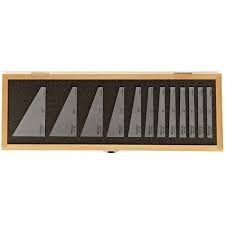
Slip Gauge

What is Slip Gauge

A slip gauge, also known as a gauge block or gage block, is a precision measuring tool used in metrology (the science of measurement). It is typically made from a solid piece of metal, usually steel or ceramic, with extremely accurate dimensions. Slip gauges are used to calibrate or verify the accuracy of various measurement equipment, such as micrometers, calipers, and coordinate measuring machines.

Slip Gauge Least Count

The least count of a slip gauge refers to the smallest increment that can be measured using that slip gauge. In other words, it represents the smallest difference in length that can be accurately distinguished using the slip gauge.

The least count of a slip gauge depends on its dimensions and the precision with which those dimensions are manufactured. Slip gauges are typically made to very high levels of accuracy, often in the range of micrometers (μm) or even nanometers (nm). The least count of a slip gauge is calculated using the formula:

Least Count = Smallest Dimension / Number of Divisions

For example, if you have a slip gauge with a dimension of 1 millimeter (1000 micrometers) and it’s divided into 10 equal parts, the least count would be:

Least Count = 1000 μm / 10 divisions = 100 μm

This means that the slip gauge can be used to measure lengths with an accuracy of 100 micrometers.

It’s important to note that the actual least count of a slip gauge might be further limited by factors such as the precision of the measurement instrument being used alongside the slip gauge, as well as the skill and care of the person performing the measurement.

Must Read : Cyclone Separator

which type of tolerance does a slip gauge have

Slip gauges are typically manufactured to very tight tolerances to ensure their accuracy and reliability. The two main types of tolerances associated with slip gauges are:

  1. Dimensional Tolerance: This refers to the acceptable range of dimensions that a slip gauge can have while still being considered accurate. Slip gauges are manufactured to specific nominal dimensions (e.g., 1.0000 mm), and the dimensional tolerance specifies how much the actual dimension can deviate from the nominal value while maintaining its accuracy. These tolerances are usually very small, often expressed in micrometers (μm) or even nanometers (nm). For example, a slip gauge might have a dimensional tolerance of ±0.5 μm, which means the actual dimension can be within 0.5 μm of the nominal value.
  2. Flatness and Parallelism Tolerance: Slip gauges rely on their flat and parallel surfaces for accurate wringing and measurement. The flatness tolerance specifies how much the surfaces of the slip gauge can deviate from being perfectly flat. Similarly, the parallelism tolerance specifies how much the surfaces can deviate from being perfectly parallel to each other. These tolerances are also typically very tight, expressed in micrometers or nanometers.

It’s important to note that slip gauges are precision tools, and their tolerances are crucial for ensuring their accuracy and reliability. The tighter the tolerances, the more accurate and consistent the measurements made with slip gauges will be. Manufacturers follow strict quality control processes to achieve and maintain these tight tolerances during the production of slip gauges.

which material is used to clean the slip gauge

Slip gauges are precision measurement tools that require careful handling and maintenance to ensure their accuracy. When it comes to cleaning slip gauges, it’s important to use materials and methods that won’t damage their surfaces or affect their precision. Here are some guidelines on cleaning slip gauges:

  1. Lint-Free Cloth: A lint-free cloth made of materials like microfiber is often recommended for gently wiping the surfaces of slip gauges. This helps remove dust, dirt, and fingerprints without scratching the surfaces.
  2. Mild Solvent: If there are more stubborn contaminants on the slip gauge surfaces, you can use a mild solvent such as isopropyl alcohol. Apply a small amount to a lint-free cloth and gently wipe the surface. Make sure the solvent is compatible with the slip gauge material (usually steel) and won’t cause any damage.
  3. Avoid Abrasive Materials: Avoid using abrasive materials like steel wool, abrasive pads, or rough paper towels, as these can scratch the precision surfaces of the slip gauges.
  4. Handle with Clean Hands: When handling slip gauges, make sure your hands are clean and dry to prevent transferring oils, moisture, or dirt onto the surfaces.
  5. Storage: Proper storage is key to preventing contamination. Store slip gauges in a clean and dry environment, preferably in a protective case or box that shields them from dust and humidity.
  6. Regular Maintenance: Regularly inspect slip gauges for any signs of damage, wear, or contamination. Clean them as needed to maintain their accuracy.
  7. Avoid Excessive Handling: Excessive handling can lead to wear on the surfaces. Try to minimize unnecessary handling to extend the life of the slip gauges.

Always follow any guidelines provided by the manufacturer of the slip gauge set or any specific cleaning recommendations that are provided along with the set. The goal is to keep the surfaces clean and free from contaminants while ensuring that the cleaning process itself does not introduce any damage.

use of slip gauge

Slip gauges have several important uses in various fields of precision measurement and manufacturing. Some of the key uses of slip gauges include:

  1. Calibration of Measurement Equipment: Slip gauges are used to calibrate and verify the accuracy of various measurement instruments such as micrometers, calipers, dial indicators, and coordinate measuring machines. By stacking slip gauges to create known lengths, these instruments can be adjusted or verified for accuracy.
  2. Setting Reference Standards: Slip gauges are used to set reference standards for length measurements. These standards serve as a basis for ensuring uniformity and accuracy in measurements across different instruments and laboratories.
  3. Quality Control: In manufacturing processes, slip gauges are employed to check the accuracy of machined parts and ensure that they meet specified dimensions. This helps maintain quality and precision in the final products.
  4. Precision Assembly: Slip gauges can be used in the assembly of mechanical components where specific clearances or fits are required. By using slip gauges as spacers or shims, engineers can achieve precise fits between parts.
  5. Research and Development: Slip gauges are used in research and development activities to ensure the accuracy of experimental setups and measurements. They help researchers maintain consistency and reliability in their experiments.
  6. Toolmaking: Slip gauges play a role in tool and die making. They are used to verify the accuracy of tool dimensions, ensuring that the tools produce parts with the desired specifications.
  7. Machine Setup: Slip gauges are used to set up machine tools with high precision. By using slip gauges to adjust tool heights, distances, and angles, machinists can achieve accurate and consistent machining operations.
  8. Metrology Training: Slip gauges are used in educational settings to teach students about measurement principles, accuracy, and calibration procedures. They provide hands-on experience in understanding precision measurement techniques.
  9. Comparative Measurements: Slip gauges are used to compare the dimensions of an unknown workpiece with known standards. This technique is useful for determining the accuracy and deviations of the workpiece from the desired dimensions.
  10. Research and Standardization: Slip gauges are essential in the research and development of new measurement techniques and standards. They contribute to the establishment of internationally recognized measurement systems.

Overall, slip gauges serve as crucial tools for achieving and maintaining high levels of accuracy and precision in various industries that rely on dimensional measurements and quality assurance.

Advantages of slip gauge

Slip gauges offer several advantages that make them indispensable tools in precision measurement and various industries. Some of the key advantages of slip gauges include:

  1. High Precision: Slip gauges are manufactured to extremely tight tolerances, resulting in known and consistent dimensions with high accuracy. This precision allows for reliable calibration and measurement of other instruments.
  2. Versatility: A set of slip gauges can be combined in various configurations to create a wide range of measurement lengths. This adaptability makes them suitable for measuring different types of components and parts.
  3. Traceability: Slip gauges are typically calibrated against national or international measurement standards, providing a traceable reference for calibration and measurement activities. This traceability ensures consistency and comparability across different instruments and laboratories.
  4. Repeatable Measurements: Due to their high accuracy and stable dimensions, slip gauges enable repeatable measurements over time. This consistency is crucial for maintaining quality and reliability in various applications.
  5. Non-Destructive Calibration: Slip gauges allow for non-destructive calibration of measurement equipment. This means that instruments can be calibrated without causing damage to them, ensuring their longevity and accuracy.
  6. Simple to Use: Slip gauges are relatively simple to use, as they involve stacking the blocks together to achieve the desired measurement length. This simplicity makes them accessible to both experienced professionals and newcomers in metrology.
  7. Low Wear and Longevity: Slip gauges are made from high-quality materials with precise finishes. This construction reduces wear and extends their lifespan, making them a cost-effective investment over time.
  8. Stability: When wrung together, slip gauges create a solid and stable stack. This stability minimizes the effects of vibration and external forces on the measurement process, resulting in more accurate measurements.
  9. Low Maintenance: Slip gauges require minimal maintenance when used and stored properly. Regular cleaning and protection against corrosion ensure their continued accuracy.
  10. International Standardization: Slip gauges are manufactured according to international standards, ensuring compatibility and uniformity in measurement practices across different countries and industries.
  11. Education and Training: Slip gauges are valuable tools for teaching and learning about precision measurement principles. They provide hands-on experience and help build a foundational understanding of metrology concepts.
  12. Wide Range of Applications: Slip gauges find applications in industries ranging from manufacturing and engineering to research and development. Their versatility makes them useful in diverse fields where precise measurements are required.

Overall, slip gauges offer a combination of accuracy, flexibility, and reliability that make them essential tools for maintaining quality, consistency, and precision in various measurement processes.

Disadvantages of Slip Gauge

While slip gauges offer many advantages, there are also some limitations and disadvantages associated with their use. Here are a few potential drawbacks of slip gauges:

  1. Limited Range: While slip gauges are versatile, their range is limited by the set of available blocks. If a measurement falls outside the range of the available slip gauges, additional techniques or tools may be required.
  2. Cumbersome for Large Measurements: For measurements that require long lengths, assembling a stack of slip gauges can become cumbersome and time-consuming. Other measurement methods might be more efficient in such cases.
  3. Human Error: The process of wringing the slip gauges together requires skill and care to ensure a tight and accurate fit. Human error, such as misalignment or improper wringing, can lead to measurement inaccuracies.
  4. Surface Imperfections: Any imperfections or damage to the flat and parallel surfaces of slip gauges can affect the accuracy of the measurements. Regular maintenance and careful handling are essential to minimize these effects.
  5. Time-Consuming Calibration: Calibrating measurement instruments using slip gauges can be time-consuming, especially when compared to electronic calibration methods that are faster and automated.
  6. Temperature Effects: Slip gauges are sensitive to temperature variations. Changes in temperature can cause the materials to expand or contract, affecting their dimensions and potentially leading to measurement errors.
  7. Prone to Wear: Over time, slip gauges can experience wear and minor changes in dimensions due to repeated use and handling. This wear can impact their accuracy and require regular calibration and maintenance.
  8. Cost: High-quality slip gauges made with precision and accuracy can be relatively expensive to produce and purchase. Acquiring a complete set of slip gauges can represent a significant investment.
  9. Incompatibility with Non-Parallel Surfaces: Slip gauges require parallel surfaces for accurate wringing. When measuring components with non-parallel surfaces, alternate measurement methods might be necessary.
  10. Skill and Training: Using slip gauges effectively requires training and skill to ensure accurate measurements. Inexperienced users might struggle with proper assembly and measurement techniques.
  11. Risk of Damage: Accidental dropping or mishandling of slip gauges can lead to damage to their surfaces, affecting their accuracy. Careful storage and handling are necessary to prevent such issues.
  12. Not Suitable for Dynamic Measurements: Slip gauges are best suited for static measurements. They are not practical for measuring dynamic or moving parts due to the time it takes to assemble and disassemble them.

In summary, slip gauges are valuable tools for precision measurement, but they come with certain limitations and challenges. These disadvantages should be considered when deciding whether slip gauges are the most appropriate measurement method for a given application.

Reference : https://en.wikipedia.org/wiki/Gauge_block

cyclone separator

What is cyclone separator

A cyclone separator, often referred to simply as a cyclone, is a device used to separate particles from a gas or liquid stream based on their size and density differences. It operates on the principle of centrifugal force, which causes the heavier particles to move outward toward the walls of the cyclone while the lighter particles and gas move toward the center and eventually exit through an outlet.

Must Read : Corrosion Inhibitor

cyclone separator construction

cyclone separator

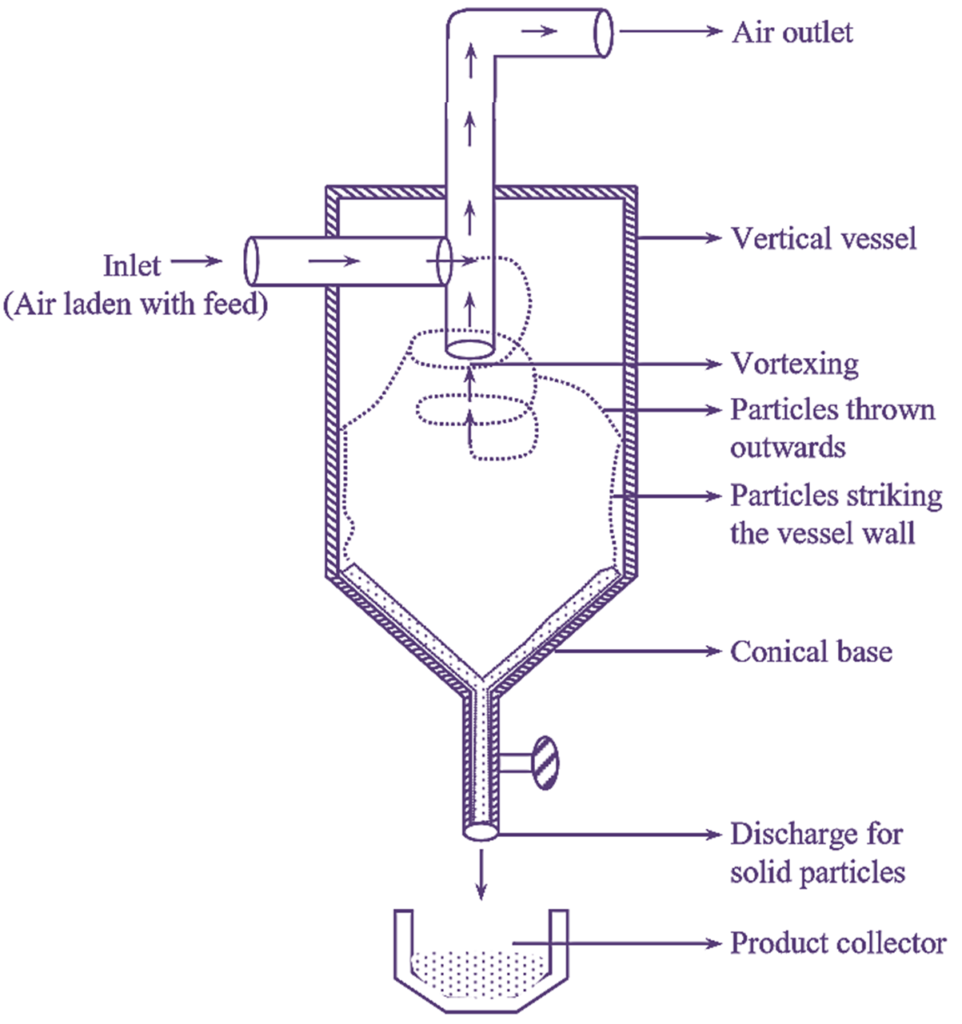
A cyclone separator consists of several key components that work together to achieve the separation of particles from a gas or liquid stream. Here’s an overview of the construction and main components of a cyclone separator:

  1. Cyclone Body: The main body of the cyclone separator is typically cylindrical or conical in shape and is responsible for containing the swirling gas or liquid mixture. It provides the space where the separation process takes place.
  2. Inlet: The inlet is the point where the gas or liquid mixture enters the cyclone separator. It is often designed to introduce the mixture tangentially into the cyclone chamber, which initiates the swirling motion.
  3. Vortex Finder: The vortex finder is a cylindrical tube located at the center of the cyclone chamber and extending vertically from the top to the bottom. It guides the upward-flowing clean gas or liquid stream out of the separator.
  4. Cone: The cone is the conical-shaped lower part of the cyclone chamber. It plays a crucial role in directing the downward flow of separated particles or droplets towards the collection area.
  5. Collection Area: At the bottom of the cyclone separator, there is a collection area where the separated particles or droplets accumulate. This can be a hopper, a collection bin, or a similar structure.
  6. Outlet: At the top of the cyclone chamber, there is an outlet for the clean gas or liquid to exit the separator. The outlet can be connected to a duct or pipeline for further processing or discharge.
  7. Gas-Liquid Separator (Optional): In some applications, especially where a mixture of gas and liquid is being separated, a gas-liquid separator may be incorporated. This component helps to separate the liquid phase from the gas phase before they exit the separator.
  8. Support Structure: The cyclone separator is often mounted on a support structure or frame that holds it in place and provides stability. This structure might also include provisions for maintenance access and observation.
  9. Pressure Gauge and Instruments (Optional): Some cyclone separators might include pressure gauges or instruments to monitor the pressure drop across the separator, which can provide insights into the separator’s performance.
  10. Material and Coating: Cyclone separators are typically constructed from materials that can withstand the conditions of the process fluid, including factors like temperature and chemical compatibility. In some cases, internal surfaces may be coated to prevent wear due to abrasive particles.
  11. Outlet Valves (Optional): Depending on the design and application, outlets for removing collected particles or droplets might include valves or other mechanisms for controlled discharge.

The construction of cyclone separators can vary based on factors such as the application, operating conditions, and the specific requirements of the process. While the core components remain consistent, variations in size, shape, material, and additional features can cater to a wide range of industrial needs.

Cyclone Separator Working Principle

A cyclone functions as a centrifugal separator, driven by the mass of particles that are compelled to migrate towards the outer boundaries due to centrifugal force. As incoming air enters, it inherently adopts a rapid and circular motion, creating what’s referred to as a “double vortex.” This dual spiral movement encompasses an external stream, which follows a descending spiral path, and an internal stream, which ascends spirally. At the junction where these streams interact, air transitions between them. This dynamic pushes airborne particles towards the periphery, causing them to exit the separator through a collection mechanism positioned at the bottom.

Typically, the air velocity within a cyclone ranges from 10 to 20 m/s, with approximately 16 m/s being the most prevalent. Should the velocity fluctuate, especially with lower speeds, the efficiency of particle separation experiences a significant decline.

Cyclone Separator Working

The operation of a cyclone separator is based on the principles of centrifugal force and the creation of a swirling airflow pattern. Here’s a step-by-step explanation of how a cyclone separator works:

  1. Inlet: The mixture of gas or liquid containing particles or droplets enters the cyclone separator through an inlet located at the top.
  2. Tangential Entry: The mixture is introduced tangentially into the cyclone’s cylindrical or conical chamber. This entry imparts a swirling motion to the incoming flow, setting up a cyclonic vortex.
  3. Centrifugal Force: As the mixture spirals downward due to the swirling motion, centrifugal force is generated. This force pushes the heavier particles or droplets towards the outer walls of the chamber. Lighter particles are carried towards the center by the faster-moving air.
  4. Double Vortex Formation: Within the chamber, two distinct streams are established: an outer downward-flowing stream and an inner upward-flowing stream. This is known as the “double vortex.” The outer stream carries particles towards the walls, while the inner stream carries cleaner air towards the center.
  5. Interchange Zone: At the interface between the two vortex streams, there is an area where air from the inner vortex exchanges with air from the outer vortex. This exchange region plays a crucial role in particle separation.
  6. Particle Separation: The heavier particles or droplets in the mixture experience stronger centrifugal forces and are pushed towards the outer edges of the chamber. As they move outward, they gradually lose their momentum and settle towards the bottom of the chamber.
  7. Clean Air or Liquid Outlet: In contrast, the inner vortex carries cleaner air or liquid upwards towards the center of the chamber. At the top of the cyclone chamber, there is an outlet for the clean air or liquid to exit the separator.
  8. Particle Collection: The separated particles or droplets continue to move downward and accumulate at the bottom of the cyclone chamber, forming a cone-shaped pile. This collected material can be periodically removed through a discharge mechanism.
  9. Efficiency and Speed: The cyclone’s efficiency depends on factors like the design, dimensions, and the velocity of the incoming flow. An optimal operating speed ensures effective separation; deviations from this speed can affect the separator’s performance.

In summary, a cyclone separator uses the principles of centrifugal force and swirling motion to separate particles or droplets from a gas or liquid stream. The combination of these forces causes particles to move outward and downward along the chamber’s walls, while cleaner gas or liquid moves upward in the center. The double vortex and interchange zone enhance the efficiency of particle separation, making cyclone separators effective tools for various industrial applications.

cyclone separator design

Designing a cyclone separator involves considering various factors to ensure efficient particle separation and optimal performance. Here are key aspects to consider during the design process:

  1. Particle Characteristics: Understand the size, density, and shape of the particles or droplets you intend to separate. This information helps determine the cyclone’s dimensions and inlet design.
  2. Inlet Design: The inlet should introduce the mixture tangentially into the cyclone chamber to establish the swirling motion. The angle of entry and the design of the inlet tube affect the cyclone’s efficiency.
  3. Cyclone Dimensions: The diameter and height of the cyclone chamber impact separation efficiency. A larger diameter can accommodate larger particles, while a taller cyclone provides more space for particle settling.
  4. Vortex Finder Length: The length of the vortex finder tube affects the amount of clean gas or liquid that exits the separator. It should be chosen to match the desired separation efficiency.
  5. Cone Angle: The angle of the cone at the bottom of the cyclone chamber influences the downward flow of separated particles. A steeper cone angle can enhance particle collection.
  6. Gas-Liquid Separation (if needed): If separating a mixture of gas and liquid, consider incorporating a gas-liquid separator to prevent liquid carryover.
  7. Pressure Drop: Consider the pressure drop across the cyclone, which affects the energy required to drive the flow and can impact the overall process.
  8. Material Selection: Choose materials that can withstand the fluid’s temperature, corrosiveness, and abrasiveness. Consider coatings to prevent wear and corrosion on internal surfaces.
  9. Particle Discharge: Determine how the separated particles or droplets will be collected and discharged from the bottom of the cyclone. Design a suitable collection mechanism.
  10. Operating Conditions: Consider factors such as temperature, pressure, flow rate, and fluid properties. These factors influence cyclone efficiency and material selection.
  11. Efficiency vs. Pressure Drop: There’s often a trade-off between separation efficiency and pressure drop. Increasing efficiency might lead to higher pressure drops, affecting system performance.
  12. Modeling and Simulation: Utilize computational fluid dynamics (CFD) software to simulate airflow patterns, particle trajectories, and pressure distribution within the cyclone. This helps optimize design parameters.
  13. Testing and Validation: Prototype testing helps verify the cyclone’s performance under real-world conditions. Adjustments may be needed based on testing results.
  14. Maintenance Considerations: Design the cyclone with access points for inspection, cleaning, and maintenance. Ease of maintenance reduces downtime.
  15. Scale-Up Considerations: If designing for an industrial application, ensure that the design is scalable and can handle larger flows and particles.
  16. Regulatory Compliance: Consider any relevant industry standards and regulations related to safety, emissions, and environmental impact.

Successful cyclone separator design requires a balance between these factors to achieve the desired separation efficiency while meeting the specific needs of the application. It’s often beneficial to collaborate with engineers experienced in fluid dynamics and separation processes during the design process.

Application of Cyclone Separator

Cyclone separators find a wide range of applications across various industries due to their ability to effectively separate solid particles or liquid droplets from gas or liquid streams. Some common applications of cyclone separators include:

  1. Air Pollution Control: Cyclone separators are used in industries like cement, power generation, and metallurgy to remove particulate matter from exhaust gases before they are released into the atmosphere. This helps in complying with environmental regulations and reducing air pollution.
  2. Dust Collection: In woodworking shops, grain processing facilities, and other industries where dust is generated, cyclone separators are used to collect and remove airborne dust particles, preventing them from contaminating the workspace or being released into the air.
  3. Chemical Processing: Cyclone separators are employed in chemical processing plants to separate solid catalyst particles from reaction products or to remove impurities from chemical processes.
  4. Oil and Gas Industry: Cyclone separators are used in the oil and gas industry to separate sand, particles, and other impurities from wellhead fluids before further processing. They are also used in natural gas pipelines to remove liquid droplets and solid particles from the gas stream.
  5. Food and Beverage Industry: Cyclone separators can be used to remove foreign particles from food and beverage products, ensuring the final product’s quality and safety.
  6. Agriculture: In grain handling facilities, cyclone separators are used to separate foreign materials, dust, and debris from harvested grains and seeds.
  7. Mining and Mineral Processing: Cyclone separators are utilized in mining operations to separate particulate matter from slurries and liquids, aiding in the separation of valuable minerals from waste material.
  8. Wood Processing: In sawmills and wood processing plants, cyclone separators are used to separate wood chips, sawdust, and other debris from the air and material streams.
  9. Plastics and Polymer Industry: Cyclone separators help in separating plastic pellets, dust, and contaminants from the production process, ensuring the quality of the final plastic products.
  10. Wastewater Treatment: Cyclone separators can be used in wastewater treatment facilities to separate solid particles and sediments from wastewater before further treatment or disposal.
  11. Pneumatic Conveying Systems: Cyclone separators are often used in pneumatic conveying systems to separate solid particles from the conveying air, preventing blockages and maintaining system efficiency.
  12. Biogas Production: In biogas production plants, cyclone separators can help remove moisture, solid particles, and impurities from biogas before it is used for energy production.

These are just a few examples of the many applications of cyclone separators across various industries. The versatility and relatively simple design of cyclone separators make them a popular choice for particle separation and removal tasks in industrial processes.

Advantages of cyclone separator

Cyclone separators offer several advantages in various industrial applications due to their simple design and effective particle separation capabilities. Some of the key advantages of cyclone separators include:

  1. Effective Particle Separation: Cyclone separators are highly effective at separating solid particles or liquid droplets from gas or liquid streams, particularly for larger particles. Their ability to achieve efficient separation is attributed to the centrifugal force generated by the swirling motion within the separator.
  2. Low Operating Costs: Cyclone separators have relatively low operating and maintenance costs. They don’t require consumable filter media, and their simple design reduces the need for frequent maintenance or replacement of parts.
  3. Minimal Maintenance: Due to their uncomplicated design, cyclone separators have fewer moving parts, resulting in reduced wear and tear. This leads to decreased maintenance requirements and downtime, making them suitable for continuous industrial processes.
  4. Compact Size: Cyclone separators are compact in size compared to some other particle separation technologies. This makes them suitable for installations where space is limited.
  5. Robust Construction: Cyclone separators are often constructed from durable materials such as stainless steel or abrasion-resistant alloys. This enables them to withstand harsh operating conditions, high temperatures, and corrosive environments.
  6. High-Temperature Applications: Cyclone separators can be designed to handle high-temperature gas streams, making them suitable for applications involving hot gases or industrial processes that produce elevated temperatures.
  7. Scalability: Cyclone separators can be easily scaled up or down based on the specific requirements of an application. This scalability makes them adaptable to different flow rates and particle loads.
  8. Energy Efficiency: Cyclone separators don’t require significant energy input to operate, as their separation is primarily driven by the centrifugal force created by the swirling motion. This can contribute to energy savings in industrial processes.
  9. No Moving Parts in the Flow Path: The design of cyclone separators ensures that there are no moving parts in the main flow path of the gas or liquid stream. This minimizes the risk of clogging or breakdowns due to particles becoming trapped in moving components.
  10. Reliable Performance: Cyclone separators provide consistent and reliable performance over time. They are less susceptible to variations in operating conditions and can maintain their separation efficiency across a wide range of flow rates.
  11. Adaptability: Cyclone separators can be combined with other equipment, such as filters or scrubbers, to achieve finer particle separation or to handle specific types of particles or contaminants.
  12. Environmentally Friendly: Cyclone separators can contribute to environmental protection by effectively removing particles or droplets from exhaust gases, reducing air and water pollution.

While cyclone separators have many advantages, it’s important to note that their efficiency may decrease for smaller particles. In such cases, additional equipment or multi-stage separation systems might be necessary to achieve the desired level of particle removal.

Disadvantages of cyclone separator

While cyclone separators offer several advantages, they also come with certain limitations and disadvantages that should be considered when selecting them for a particular application. Some of the disadvantages of cyclone separators include:

  1. Limited Particle Size Range: Cyclone separators are more effective at removing larger particles and droplets. Their efficiency decreases as particle size decreases, which means they might not be suitable for applications requiring very fine particle separation.
  2. Particle Re-entrainment: In some cases, smaller particles separated by the cyclone might be re-entrained back into the gas or liquid stream, reducing overall separation efficiency. This is more likely to occur with lighter particles and in situations where the cyclone is not operating optimally.
  3. Pressure Drop: Cyclone separators can create a pressure drop within the system due to the cyclonic motion and the redirection of the gas or liquid flow. This pressure drop can affect the overall efficiency of the process and might require additional energy to overcome.
  4. Inefficient for Low Concentrations: Cyclone separators are more effective when dealing with higher concentrations of particles. In applications with low particle concentrations, their efficiency might be insufficient.
  5. Complexity in Multistage Systems: For applications requiring very high particle separation efficiency, a single cyclone might not suffice. In such cases, a multistage cyclone system or combination with other separation methods might be needed, increasing complexity.
  6. Sensitive to Flow Variations: Cyclone separators’ performance can be affected by changes in flow rate, particle size distribution, and other process variables. Variations in these parameters can impact their efficiency.
  7. Space Requirements: Although cyclone separators are relatively compact, systems that require multiple cyclones or additional equipment for optimal performance can take up more space.
  8. Particle Buildup and Wear: Over time, the walls of the cyclone chamber can experience particle buildup, which might require periodic cleaning. Also, abrasive particles can cause wear on the chamber walls, affecting long-term performance.
  9. Limited Separation of Gases: Cyclone separators are primarily designed for separating solid particles from gas or liquid streams. Separating one gas from another can be more challenging and might require modifications to the basic cyclone design.
  10. Complex Design for Specialized Applications: While basic cyclone designs are simple, more specialized applications (such as handling high temperatures, corrosive materials, or explosive atmospheres) might require more complex and expensive designs.
  11. Efficiency Trade-offs: Achieving very high separation efficiency might require optimizing the cyclone design, which can lead to trade-offs with other factors like pressure drop or maintenance requirements.
  12. Efficiency Reduction with Wear: As the cyclone chamber’s internal surfaces wear over time due to particle impacts, its efficiency can decrease.

When considering the use of cyclone separators, it’s important to assess the specific requirements of the application, including particle size distribution, desired separation efficiency, operating conditions, and space limitations, to determine whether the advantages outweigh the disadvantages in a given context.

Reference : https://en.wikipedia.org/wiki/Cyclonic_separation

corrosion inhibitor

What is corrosion Inhibitor

A corrosion inhibitor is a substance or compound that is added to a fluid (usually a liquid) or a gas to decrease the rate of corrosion (the gradual deterioration of a material) that occurs on a metal surface. Corrosion is a natural process that can lead to the degradation and weakening of metals due to chemical reactions with the environment. Corrosion inhibitors work by forming a protective barrier on the metal surface, which either prevents the corrosive agents from coming into direct contact with the metal or alters the electrochemical reactions that drive the corrosion process.

Must Read : Hydraulic System

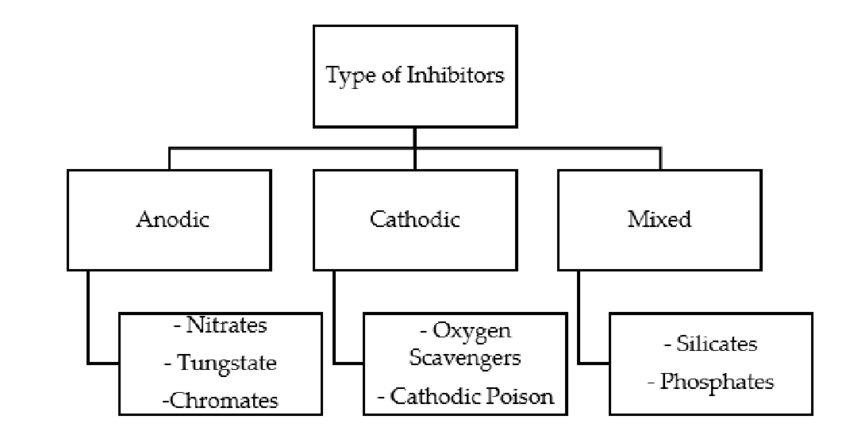
Types of Corrosion Inhibitor

These some common types of corrosion inhibitors along with more details about each type:

1. Anodic Inhibitors:
Anodic inhibitors work by forming a protective oxide layer on the metal surface. This oxide layer acts as a barrier that prevents the metal from undergoing further oxidation and corrosion. Common anodic inhibitors include compounds like chromates, molybdates, and phosphates. These inhibitors are particularly effective for metals like aluminum and zinc.

2. Cathodic Inhibitors:
Cathodic inhibitors reduce the rate of cathodic reactions, which involve the reduction of oxygen or other species. By decreasing the availability of electrons required for these reduction reactions, the rate of corrosion is slowed down. Sodium nitrate, calcium nitrate, and other nitrates are examples of cathodic inhibitors. They are often used in closed systems like cooling water systems.

3. Mixed Inhibitors:
Mixed inhibitors work through a combination of both anodic and cathodic mechanisms. They provide comprehensive protection by reducing oxidation and reduction reactions simultaneously. Organic compounds containing nitrogen, sulfur, and oxygen atoms often function as mixed inhibitors. These compounds form protective films on metal surfaces.

4. Volatile Corrosion Inhibitors (VCIs):
VCIs are compounds that release volatile corrosion-inhibiting molecules into the surrounding environment. These molecules form a protective layer on metal surfaces, even in hard-to-reach areas. VCIs are commonly used in packaging materials for metal items, such as machinery parts or electronics, to prevent corrosion during storage and transportation.

5. Passivation Inhibitors:
Passivation inhibitors promote the passivation process, where a stable oxide layer forms on the metal surface. This oxide layer acts as a protective barrier against further corrosion. Passivation inhibitors often contain chemicals like chromates, which facilitate the formation of a stable and adherent oxide layer.

6. Film-Forming Inhibitors:
Film-forming inhibitors create a thin protective film on the metal surface. This film acts as a barrier that prevents corrosive substances from contacting the metal directly. These inhibitors are often used in applications where the metal is exposed to aggressive environments. Fatty acids, amines, and certain polymers are examples of film-forming inhibitors.

7. Inhibitors for Specific Environments:
Some corrosion inhibitors are formulated to be effective in specific environments. For example, in oil and gas industries, corrosion inhibitors may be tailored to withstand the acidic and high-pressure conditions found in pipelines and drilling equipment. In marine environments, inhibitors might be designed to combat the corrosive effects of saltwater.

It’s important to note that the selection of a corrosion inhibitor depends on factors such as the type of metal, the corrosive agents present in the environment, the operating conditions, and the intended application. Additionally, while corrosion inhibitors can significantly reduce the rate of corrosion, they may not eliminate it entirely. Regular monitoring and maintenance are still important to ensure long-term protection against corrosion.

example of corrosion inhibitor

Certainly, here are a few examples of corrosion inhibitors along with their applications:

1.Chromate-based Inhibitors:

  • Example: Sodium Chromate (Na2CrO4)
  • Application: Used as an anodic inhibitor in cooling water systems, aircraft components, and certain coatings to form a protective chromium oxide layer on the metal surface.

2.Zinc-based Inhibitors:

  • Example: Zinc Sacrificial Anode
  • Application: Used in marine environments, pipelines, and underground structures to protect other metals through galvanic corrosion. Zinc corrodes preferentially, sacrificing itself to protect the more valuable metal.

3.Molybdate-based Inhibitors:

  • Example: Sodium Molybdate (Na2MoO4)
  • Application: Used in cooling water systems, boilers, and heat exchangers to inhibit both anodic and cathodic corrosion processes by forming a protective film on metal surfaces.

4.Volatile Corrosion Inhibitors (VCIs):

  • Example: VCI Paper
  • Application: Used for protecting metal components during storage and transportation. VCIs in the paper release vapor that forms a thin, protective layer on metal surfaces, preventing corrosion.

5.Nitrite-based Inhibitors:

  • Example: Sodium Nitrite (NaNO2)
  • Application: Used to protect ferrous metals in closed-loop cooling systems by promoting the formation of a passive iron oxide layer on the metal surface.

6.Organic Film-Forming Inhibitors:

  • Example: Fatty Acid Corrosion Inhibitors
  • Application: Used in closed systems like pipelines and hydraulic systems. Fatty acids form a protective film on metal surfaces, reducing the contact between the metal and corrosive agents.

7.Phosphate-based Inhibitors:

  • Example: Sodium Phosphate (Na3PO4)
  • Application: Used in cooling water systems to form a protective scale on metal surfaces, reducing both anodic and cathodic corrosion reactions.

8.Amine-based Inhibitors:

  • Example: Cyclohexylamine
  • Application: Used in steam condensate systems and boilers to form a protective film on metal surfaces and maintain an alkaline pH, reducing corrosion rates.

9.Aluminum-based Inhibitors:

  • Example: Aluminum Sacrificial Anode
  • Application: Similar to zinc, aluminum sacrificial anodes are used to protect pipelines, tanks, and marine structures by corroding in preference to the protected metal.

10.Silicate-based Inhibitors:

  • Example: Sodium Silicate (Na2SiO3)
  • Application: Used in concrete admixtures to protect embedded reinforcement bars from corrosion caused by chloride ions.

11. Copper-based Inhibitors:

  • Example: Copper-based Algaecides
  • Application: Used in cooling water systems to inhibit microbial growth, which can contribute to corrosion and fouling.

It’s important to note that the selection of a corrosion inhibitor depends on the specific application, the type of metal, the environment, and regulatory considerations. Additionally, the effectiveness of corrosion inhibitors can vary based on factors such as concentration, temperature, and exposure time.

Mechanisms of Corrosion Inhibitors

Corrosion inhibitors work through various mechanisms to protect metal surfaces from undergoing corrosion. These mechanisms are based on altering the electrochemical reactions that drive the corrosion process. Here are some key mechanisms through which corrosion inhibitors operate:

  1. Adsorption Mechanism:
    Corrosion inhibitors often function by adsorbing onto the metal surface, forming a protective barrier. This barrier physically separates the metal from the corrosive environment, preventing direct contact with corrosive agents. The adsorption can occur through chemical bonding or weak interactions between the inhibitor molecules and the metal surface.
  2. Anodic Inhibition:
    Anodic inhibitors reduce the oxidation (anodic) reaction that occurs at the metal surface. They achieve this by forming a passivating oxide layer that hinders the release of metal ions and prevents the propagation of corrosion reactions.
  3. Cathodic Inhibition:
    Cathodic inhibitors work by slowing down the reduction (cathodic) reactions that involve the consumption of electrons and the reduction of oxidants (like oxygen). By inhibiting these cathodic reactions, the flow of electrons necessary for corrosion is reduced.
  4. Mixed Inhibition:
    Mixed inhibitors combine aspects of both anodic and cathodic inhibition. They act to reduce both oxidation and reduction reactions, effectively slowing down the entire corrosion process.
  5. Formation of Protective Films:
    Some inhibitors facilitate the formation of thin, protective films on the metal surface. These films can be composed of oxides, hydroxides, or other compounds that act as a barrier against corrosive agents.
  6. pH Modification:
    Certain inhibitors modify the pH of the environment around the metal surface. By shifting the pH to less corrosive values, these inhibitors can slow down the corrosion reactions.
  7. Complexation:
    Inhibitors can form complexes with metal ions, preventing their participation in corrosion reactions. This effectively reduces the rate of metal dissolution.
  8. Volatility and Vapor Phase Inhibition:
    Volatile corrosion inhibitors (VCIs) release vapor-phase inhibitors that condense on metal surfaces, forming a protective layer. These molecules inhibit corrosion by creating a barrier against corrosive agents.
  9. Passivation Enhancement:
    Some inhibitors promote the natural passivation process, where a stable oxide layer forms on the metal surface. This layer acts as a barrier against further corrosion.
  10. Ion Dissolution Inhibition:
    Certain inhibitors work by hindering the dissolution of metal ions into the surrounding solution. This reduces the rate of metal loss and the progression of corrosion.

The effectiveness of a corrosion inhibitor depends on factors such as the inhibitor’s chemical properties, concentration, the type of metal, the corrosive environment, and the intended application. Different types of inhibitors may be more suitable for specific conditions or types of corrosion. It’s essential to select the appropriate inhibitor mechanism based on the specific scenario to achieve effective corrosion protection.

Application of Corrosion Inhibitor

Corrosion inhibitors are used in various industries and applications to prevent or mitigate the effects of corrosion on metal surfaces. Here are some common applications of corrosion inhibitors:

  1. Oil and Gas Industry:
    Corrosion inhibitors are extensively used in the oil and gas sector to protect pipelines, storage tanks, and equipment from corrosion caused by aggressive fluids, water, and gases present in oil and gas production, transportation, and refining processes.
  2. Water Treatment:
    In cooling water systems, boilers, and other water-related industrial equipment, corrosion inhibitors help prevent the degradation of metal surfaces due to the presence of water and dissolved ions. This is crucial to maintain the efficiency and longevity of equipment.
  3. Aerospace and Aviation:
    Corrosion inhibitors are used to protect aircraft structures, components, and engines from corrosion caused by exposure to harsh environmental conditions, including moisture, salt, and pollutants in the air.
  4. Automotive Industry:
    In automotive applications, corrosion inhibitors are used to protect vehicles’ undercarriages, body panels, and other metal parts from corrosion due to road salts, moisture, and environmental exposure.
  5. Marine Industry:
    Ships, offshore platforms, and marine equipment are exposed to highly corrosive seawater. Corrosion inhibitors are used to extend the lifespan of these assets by preventing or slowing down the corrosion process.
  6. Metal Processing and Manufacturing:
    During metal processing and manufacturing, corrosion inhibitors can be applied to protect metal workpieces, machinery, and tools from rusting and other forms of corrosion during storage, transportation, and machining operations.
  7. Infrastructure and Construction:
    Corrosion inhibitors are used in the construction industry to protect steel reinforcements in concrete structures like bridges, buildings, and highways. They help extend the service life of these structures by reducing the risk of corrosion-induced deterioration.
  8. Mining Industry:
    Mining equipment and infrastructure can be exposed to corrosive environments due to the presence of chemicals and moisture. Corrosion inhibitors can help protect these assets and maintain their operational integrity.
  9. Electronics and Electrical Systems:
    Corrosion inhibitors can be used to protect electrical connections, terminals, and components from corrosion, ensuring the reliable operation of electronic devices and systems.
  10. Metal Preservation and Storage:
    Corrosion inhibitors are employed to protect metal items during storage and transportation. They are commonly used in packaging, such as vapor-phase inhibitors, which release protective molecules to create a barrier against corrosion.
  11. Nuclear Industry:
    In the nuclear sector, corrosion inhibitors are used to protect metal components and equipment from the effects of radiation, heat, and chemically aggressive environments.
  12. Chemical Processing:
    In chemical plants, corrosion inhibitors are used to safeguard metal equipment and pipelines from the corrosive effects of chemicals being processed or transported.

The specific corrosion inhibitor and application method chosen depend on factors such as the type of metal, the corrosive agents present, the operating environment, regulatory requirements, and economic considerations. Corrosion inhibitors play a critical role in maintaining the integrity and functionality of various industries and their assets.

Advantages of Corrosion Inhibitor

Corrosion inhibitors offer several advantages in various industrial applications due to their ability to prevent or mitigate the effects of corrosion on metal surfaces. Some of the key advantages of using corrosion inhibitors include:

  1. Extended Equipment Lifespan: Corrosion inhibitors help protect metal equipment, structures, and components from degradation, thus extending their operational lifespan. This reduces the need for frequent replacements and repairs, leading to cost savings over time.
  2. Reduced Maintenance Costs: By minimizing the occurrence of corrosion-related damage, corrosion inhibitors can significantly reduce maintenance and repair costs. Equipment downtime and associated labor costs are also minimized, leading to increased operational efficiency.
  3. Preservation of Asset Value: Corrosion inhibitors help maintain the value of assets, such as vehicles, machinery, and infrastructure. This is particularly important in industries where the value of assets directly impacts the financial health of the business.
  4. Enhanced Safety: Corrosion-induced failures can lead to accidents and safety hazards. By preventing corrosion-related structural integrity issues, corrosion inhibitors contribute to a safer working environment for employees and the public.
  5. Improved Performance: Corrosion inhibitors can help maintain the performance and efficiency of equipment and systems by preventing the buildup of corrosion-related deposits that can hinder fluid flow, heat transfer, and other essential processes.
  6. Environmental Protection: Some corrosion inhibitors are formulated to be environmentally friendly and comply with regulations. By preventing corrosion and reducing the need for maintenance and replacement, they can contribute to sustainability efforts by minimizing waste and resource consumption.
  7. Flexibility in Design: Corrosion inhibitors can provide design flexibility by allowing the use of materials that might otherwise be susceptible to corrosion. This can lead to more innovative and cost-effective designs in various industries.
  8. Mitigation of Corrosion-Induced Contamination: Corrosion of metal surfaces can lead to contamination of fluids and products, particularly in industries like food and pharmaceuticals. Corrosion inhibitors help maintain the quality and purity of products by preventing metal-related contaminants.
  9. Ease of Application: Many corrosion inhibitors are available in various forms, such as liquids, powders, and coatings, making them relatively easy to apply to different types of surfaces and equipment.
  10. Customization: It can be tailored to specific applications, environments, and metals. This allows for customized solutions that address the unique corrosion challenges of each industry or situation.
  11. Protection During Storage and Transportation: Corrosion inhibitors can safeguard metal items during storage and transportation, ensuring that products reach their intended destinations in good condition.
  12. Compatibility: It is often designed to be compatible with various materials and coatings, allowing for their use alongside other protective measures without causing adverse effects.
  13. Ease of Monitoring: Some corrosion inhibitors come with monitoring systems that allow for the assessment of their effectiveness over time, enabling timely adjustments if necessary.

It’s important to note that while corrosion inhibitors offer numerous benefits, their selection, application, and monitoring should be performed carefully to ensure optimal performance and to address any potential side effects or environmental concerns.

Disadvantages of Corrosion Inhibitor

While corrosion inhibitors offer various advantages, there are also some potential disadvantages and limitations associated with their use. It’s important to consider these factors when deciding whether to use corrosion inhibitors in a specific application. Some disadvantages of corrosion inhibitors include:

  1. Environmental Concerns: Some corrosion inhibitors, particularly those containing toxic or environmentally harmful substances like chromates, can pose risks to the environment during manufacturing, usage, and disposal. Regulations and sustainability considerations may limit the use of certain inhibitors.
  2. Health and Safety Risks: Certain corrosion inhibitors, especially those with toxic components, can pose health and safety risks to workers during handling and application. Adequate safety measures and protective equipment are necessary to minimize these risks.
  3. Inhibitor Compatibility: Corrosion inhibitors may not be compatible with all materials, coatings, and fluids. Incompatibility could lead to adverse chemical reactions, reduced effectiveness, or even equipment damage.
  4. Effectiveness Over Time: The effectiveness of some corrosion inhibitors may diminish over time due to factors like depletion, degradation, or changes in the environment. Regular monitoring and maintenance are necessary to ensure consistent protection.
  5. Cost: It can be costly, particularly when required in large quantities or for continuous application. The initial investment, ongoing monitoring, and potential need for frequent reapplication contribute to the overall cost.
  6. Limited Longevity: Some corrosion inhibitors may provide only temporary protection, requiring frequent reapplication. This can be a logistical challenge and increase maintenance efforts.
  7. Interference with Processes: In certain applications, It might interfere with the intended processes, such as heat transfer, fluid flow, or electrical conductivity. This interference could reduce system efficiency.
  8. Complex Application: The proper application of corrosion inhibitors requires expertise to ensure that the inhibitor is evenly distributed and adheres well to the metal surface. Improper application can lead to uneven protection and reduced effectiveness.
  9. Residue Buildup: In some cases, the use of corrosion inhibitors can lead to the buildup of residues on metal surfaces, which may affect the equipment’s performance or require additional cleaning steps.
  10. Limited Coverage: It might not provide uniform protection on complex or hard-to-reach surfaces, leaving certain areas vulnerable to corrosion.
  11. Resistance Development: Over time, some corrosive environments can adapt to the presence of inhibitors, potentially leading to the development of resistance and reduced inhibitor effectiveness.
  12. Regulatory Compliance: The use of certain corrosion inhibitors might be restricted or subject to regulations due to environmental or health concerns, necessitating careful consideration and adherence to guidelines.
  13. Effect on Coatings: It might affect the performance or adhesion of certain coatings, which could impact the overall protection of the metal surface.
  14. Unforeseen Side Effects: In some cases, It might have unexpected side effects or interactions with other substances in the environment, leading to unintended consequences.

When considering the use of corrosion inhibitors, it’s important to conduct a thorough evaluation of the specific application, environment, materials, costs, and potential risks to determine whether the benefits outweigh the disadvantages in a given situation.

Reference : https://en.wikipedia.org/wiki/Corrosion_inhibitor

hydraulic system

what is hydraulic system

A hydraulic system is a technology that utilizes pressurized fluid to generate, transmit, control, and distribute power. It is commonly used in a variety of applications where high force or precise control is needed, such as in heavy machinery, construction equipment, automotive systems, aircraft controls, and industrial machinery.

Must Read : Corrosion Inhibitor

hydraulic system parts

hydraulic system
Basic hydraulic system

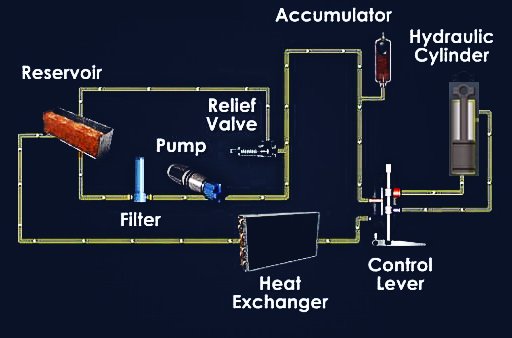
Certainly, I can expand on the topic. Here’s a more detailed explanation of each component of a hydraulic system:

  1. Reservoir (Fluid Tank): The reservoir, often referred to as a fluid tank or hydraulic tank, is a container that holds the hydraulic fluid used in the system. Its design includes features to prevent contamination and provide space for air separation. The reservoir’s capacity is chosen based on the system’s fluid volume requirements and cooling needs. It’s equipped with an inlet filter to prevent contaminants from entering the system and an outlet filter to maintain fluid cleanliness. A breather cap allows air exchange while preventing dirt and moisture from entering.
  2. Hydraulic Pump: The hydraulic pump is the heart of the system. It draws hydraulic fluid from the reservoir and converts mechanical power (usually from an engine or motor) into hydraulic power. The pump creates pressure by generating flow, which pressurizes the fluid and propels it through the system. Different pump types offer varying levels of efficiency, flow rates, and pressure capabilities to match specific application requirements.
  3. Hydraulic Fluid: Hydraulic fluid serves as the medium for transmitting power within the system. It must possess excellent lubricating properties to minimize wear and friction between moving components. The fluid’s viscosity is carefully selected based on the temperature range the system will operate in. Additionally, hydraulic fluids should resist foaming and oxidation to maintain their performance over time.
  4. Filters: Filters are integral to maintaining hydraulic fluid cleanliness. Suction filters are positioned at the pump inlet to capture large contaminants that could damage the pump. Pressure filters are located downstream to remove smaller particles and ensure fluid purity. Regular filter replacement or cleaning is vital to prevent clogs and maintain system efficiency.
  5. Valves: Valves control the flow and pressure of hydraulic fluid throughout the system. Control valves regulate the fluid flow rate to actuators, allowing precise control of motion. Directional control valves dictate the direction of fluid flow to achieve desired movement. Pressure control valves maintain system pressure within safe limits, and flow control valves regulate the speed of actuators to match specific requirements.
  6. Actuators: Actuators convert hydraulic pressure into mechanical motion. Hydraulic cylinders consist of a cylinder barrel, piston, and rod. When hydraulic pressure is applied to one side of the piston, it creates linear motion, which is used for lifting, pushing, or pulling. Hydraulic motors produce rotational motion by converting hydraulic pressure into torque, serving applications that require rotational force.
  7. Pipes and Hoses: Pipes and hoses transport hydraulic fluid between different components of the system. Pipes are used for rigid connections, while hoses allow flexibility and movement between components. Proper sizing and material selection are critical to handle fluid pressure and flow while preventing leakage.
  8. Accumulators: Accumulators store hydraulic energy in the form of compressed fluid. They can release stored energy quickly to provide additional power when required or absorb shocks to protect the system. Accumulators help maintain system stability, enhance response times, and act as emergency power sources during pump failure.
  9. Pressure Relief Valves: Pressure relief valves are safety devices that protect the system from excessive pressure. When pressure surpasses a predetermined threshold, these valves open to release excess fluid, preventing damage to components and preserving system integrity.
  10. Seals and Gaskets: Seals and gaskets prevent hydraulic fluid from leaking at various points within the system. These components ensure that the hydraulic fluid remains contained, preventing environmental contamination and maintaining efficient operation.
  11. Coolers and Heat Exchangers: Hydraulic systems generate heat during operation due to fluid friction and pressure changes. Coolers and heat exchangers dissipate this heat to prevent fluid overheating, ensuring consistent fluid viscosity and component longevity.
  12. Fittings and Connectors: Fittings and connectors are essential for joining pipes, hoses, and other components together. These connections must be leak-free and secure to maintain fluid flow integrity.
  13. Gauges and Sensors: Gauges and sensors provide operators with crucial information about the system’s status and performance. Pressure gauges measure hydraulic pressure, temperature sensors monitor fluid temperature, and fluid level sensors indicate the fluid level within the reservoir.
  14. Control Devices: Control devices enable operators to manipulate the hydraulic system. Joysticks, pedals, levers, and switches are commonly used to command the movement and operation of hydraulic actuators.

A properly designed and maintained hydraulic system involves the careful selection and integration of these components to ensure reliable, efficient, and safe operation for a wide range of applications.

hydraulic system working

A hydraulic system functions based on the principles of Pascal’s law, which dictates that changes in pressure applied to a confined fluid are uniformly transmitted throughout that fluid. This core principle enables hydraulic systems to leverage fluid pressure for a range of tasks. The process starts with a reservoir where hydraulic fluid, often hydraulic oil for its lubricating and heat-absorbing properties, is stored. An external power source, such as an electric motor or internal combustion engine, drives a hydraulic pump. This pump draws fluid from the reservoir and pushes it into the system, elevating its pressure. The pressurized hydraulic fluid then flows through pipes and hoses, creating an energy flow. This flow generates pressure, which translates to force applied to the walls of these conduits.

Control valves play a pivotal role in regulating fluid flow to different components. By manipulating these valves, operators can direct the fluid to specific actuators, enabling precise control over the system’s actions. These actuators, commonly hydraulic cylinders and hydraulic motors, convert the pressurized fluid’s energy into mechanical motion. Hydraulic cylinders are responsible for linear motion, wherein fluid pressure pushes a piston, extending a rod and producing linear movement. On the other hand, hydraulic motors provide rotational motion by converting fluid pressure into torque, thus enabling rotational force.

The pressure generated by the pump is uniformly transmitted throughout the hydraulic fluid, ensuring that force is evenly distributed. After performing the intended tasks, the hydraulic fluid returns to the reservoir or designated return line, completing its circuit within the system. To manage the heat generated due to fluid friction and pressure fluctuations, cooling systems and heat exchangers are employed. Filters are integrated to remove contaminants from the fluid, preserving its cleanliness and preventing damage to system components. Pressure relief valves act as safety measures by releasing excessive pressure, thus averting potential damage.

In modern hydraulic systems, electronic controls, sensors, and feedback mechanisms are often integrated, allowing for precise and automated management. This technological advancement enhances both efficiency and safety. Hydraulic systems find diverse applications across industries, offering substantial force, precise control, and efficient power transmission. Their adaptability spans from heavy construction machinery to intricate manufacturing processes, making them a cornerstone of contemporary industrial operations.

application of hydraulic system

Hydraulic systems are used in a wide range of applications across various industries due to their ability to generate high forces, precise control, and efficient power transmission. Here are some common applications of hydraulic systems:

  1. Construction Machinery: It is extensively used in construction equipment such as excavators, bulldozers, loaders, cranes, and backhoes. These machines rely on hydraulic power for lifting heavy loads, digging, pushing, and precise positioning.
  2. Agricultural Equipment: Tractors, combines, and other agricultural machinery often use hydraulic systems to power implements like plows, harrows, and loaders. Hydraulic systems provide the force needed for various tasks in farming.
  3. Aircraft Control: It play a critical role in controlling the movement of aircraft components such as landing gear, flaps, and ailerons. They provide the necessary force to handle the aerodynamic forces on the aircraft.
  4. Automotive Industry: In automobiles, It is used in brake systems (hydraulic brakes), power steering systems, suspension systems, and convertible tops.
  5. Industrial Machinery: Hydraulic systems are found in industrial machinery like presses, stamping machines, injection molding machines, and hydraulic presses. They provide the force required for shaping, bending, and forming materials.
  6. Material Handling: Forklifts and other material handling equipment use hydraulic systems to lift and move heavy loads efficiently.
  7. Mining Equipment: It is used in mining machinery for tasks such as drilling, crushing, and transporting materials.
  8. Marine Applications: It is used in ships and boats for steering mechanisms, anchor handling, and cargo handling.
  9. Oil and Gas Industry: It is used in drilling rigs, offshore platforms, and various equipment for extracting, transporting, and processing oil and gas.
  10. Heavy Machinery: Hydraulic systems are crucial in heavy machinery used in industries like logging, forestry, and waste management.
  11. Railroad Equipment: Hydraulic systems are used in railroad maintenance equipment for tasks such as track maintenance and repair.
  12. Hydraulic Elevators: Elevators that use hydraulic systems are common in low-rise buildings. The hydraulic fluid is used to lift the elevator car.
  13. Hydraulic Presses: Hydraulic presses are used in manufacturing processes to shape, form, and compress materials. They are essential in industries like metalworking and rubber processing.
  14. Waste Management Equipment: Garbage trucks and compactors often use hydraulic systems to efficiently collect and compact waste.
  15. Hydraulic Tools: Many tools such as jacks, crimpers, and cutters are powered by hydraulic systems for heavy-duty tasks.

These are just a few examples of the diverse applications of hydraulic systems. They are chosen for tasks where high force, precise control, and efficient power transmission are essential for optimal performance. However, as technology evolves, some applications are transitioning to more advanced alternatives like electric and electronic systems for improved efficiency and environmental considerations.

advantages of hydraulic system

Hydraulic systems offer several advantages that make them well-suited for a wide range of applications. Some of the key advantages of hydraulic systems include:

  1. High Force and Power: Hydraulic systems can generate extremely high forces, allowing them to lift heavy loads and perform tasks that require substantial power. This is particularly useful in applications such as construction, manufacturing, and heavy machinery.
  2. Precise Control: Hydraulic systems provide fine control over movement and force, making them suitable for tasks that require accurate positioning, speed control, and controlled acceleration and deceleration.
  3. Variable Speed and Force: By adjusting the flow of hydraulic fluid, operators can easily vary the speed and force of hydraulic actuators, providing flexibility in performing different tasks.
  4. Compact Design: Hydraulic components are relatively compact and can be arranged in tight spaces, making hydraulic systems suitable for applications where space is limited.
  5. Safety and Reliability: Hydraulic systems are known for their reliability, durability, and long service life. They can withstand heavy loads, shock loads, and demanding operating conditions. Additionally, hydraulic systems can be designed with fail-safe mechanisms to ensure safe operation.
  6. Smooth Operation: Hydraulic systems offer smooth and consistent motion, reducing wear and tear on components and improving the overall operational efficiency.
  7. Overload Protection: Pressure relief valves and overload protection mechanisms can be integrated into hydraulic systems to prevent damage caused by excessive pressure or force.
  8. Constant Force Output: Hydraulic systems maintain a relatively constant force output regardless of the load, which can be advantageous in applications where consistent force is required.
  9. Easily Transmit Power Over Long Distances: Hydraulic fluids are incompressible, allowing them to transmit power effectively over long distances through pipes and hoses without significant energy loss.
  10. Adaptability: Hydraulic systems can be customized and adapted to suit specific applications by adjusting parameters such as fluid pressure, flow rate, and component sizes.
  11. Ability to Work in Extreme Conditions: Hydraulic systems can operate in a wide range of temperatures and environmental conditions, from freezing cold to high heat.
  12. Maintenance and Troubleshooting: Hydraulic systems are generally easier to diagnose and repair due to their simple design and readily available components. Regular maintenance, including fluid replacement and filter changes, can extend the lifespan of the system.
  13. Cost-Effectiveness: Hydraulic systems are often more cost-effective to implement than other power transmission methods, especially for applications that require high force output.
  14. Remote Control: Hydraulic systems can be operated remotely using control valves and actuators, enabling operators to perform tasks from a safe distance.
  15. Versatility: Hydraulic systems can be used in a wide range of applications across various industries, from construction to aerospace, manufacturing to entertainment.

Despite these advantages, it’s important to note that hydraulic systems also have limitations and considerations, such as the need for proper maintenance, potential fluid leaks, and concerns about environmental impact. Additionally, advances in electric and electronic systems have led to competition with hydraulic systems in certain applications.

disadvantages of hydraulic system

While hydraulic systems offer numerous advantages, they also come with certain disadvantages and limitations that should be considered when choosing a power transmission method. Some of the disadvantages of hydraulic systems include:

  1. Fluid Leaks: Hydraulic systems can be prone to fluid leaks, which can lead to environmental contamination, safety hazards, and maintenance challenges. Regular inspection and maintenance are essential to prevent and address leaks.
  2. Maintenance Requirements: Hydraulic systems require regular maintenance, including fluid changes, filter replacements, and component inspections. Neglecting maintenance can lead to reduced system performance and increased downtime.
  3. Fluid Contamination: Contaminants in the hydraulic fluid, such as dirt, debris, and moisture, can lead to component wear, reduced efficiency, and decreased system lifespan. Effective filtration and proper fluid management are necessary to mitigate these issues.
  4. Fluid Compatibility: Selecting the right hydraulic fluid is crucial, as incompatible fluids can lead to damage to seals, hoses, and other components. Fluid selection should consider factors such as temperature, viscosity, and compatibility with materials.
  5. Temperature Sensitivity: Hydraulic systems can be sensitive to extreme temperatures. Cold temperatures can cause fluid thickening, resulting in reduced system performance, while high temperatures can lead to fluid degradation and decreased efficiency.
  6. Energy Efficiency: In some cases, hydraulic systems may be less energy-efficient compared to other power transmission methods, especially in situations where energy losses due to fluid friction and leaks are significant.
  7. Noise and Vibrations: Hydraulic systems can generate noise and vibrations during operation, which can be undesirable in certain applications, such as precision equipment or environments where noise is a concern.
  8. Complexity of Design: Designing and building hydraulic systems require specialized knowledge and expertise, especially when it comes to ensuring proper sizing, component selection, and integration. This complexity can lead to higher design and implementation costs.
  9. System Weight: Hydraulic systems can be relatively heavy due to the need for fluid reservoirs, pumps, and associated components. This can impact the overall weight and mobility of equipment and machinery.
  10. Environmental Impact: Hydraulic systems rely on hydraulic fluids, which can have environmental consequences if not managed properly. Fluid spills and leaks can lead to soil and water contamination.
  11. Limited Speed Control: While hydraulic systems offer precise control over force and position, achieving precise speed control can be more challenging. Rapid speed changes may require additional control mechanisms.
  12. Limited Response Time: Hydraulic systems may have a slower response time compared to electronic systems, which can affect applications that require rapid changes in force or position.
  13. Hydraulic Shock: Rapid changes in pressure or flow within a hydraulic system can result in hydraulic shock (water hammer), which can damage components and lead to system failure if not properly controlled.
  14. Heat Generation: Hydraulic systems generate heat during operation due to fluid friction and pressure changes. If not adequately managed, excessive heat can degrade fluid performance and damage components.
  15. Environmental Regulations: Increasing environmental regulations related to fluid disposal and leakage are prompting industries to consider alternatives to hydraulic systems to minimize ecological impact.

Despite these disadvantages, hydraulic systems remain a valuable technology in many applications. It’s essential to carefully assess the specific requirements of a given application and consider the advantages and disadvantages when deciding whether to use a hydraulic system or explore alternative power transmission methods like electric systems.

Reference : https://en.wikipedia.org/wiki/Hydraulic_machinery

PlayFortuna Casino


Плейфортуна азартные игры ждут вас прямо сейчас


Плейфортуна азартные игры выигрыши ждут вас прямо сейчас

Испробуйте уникальные слоты с захватывающими бонусами, которые увеличивают ваши шансы на выигрыш. Плейфортуна предлагает разнообразные игры: от классических рулеток до современных видеослотов с невероятной графикой.

Зарегистрируйтесь и получите приветственный бонус. Начните играть на реальные деньги и наслаждайтесь непередаваемыми ощущениями от каждого вращения! С системой мгновенных выплат ваши выигрыши всегда будут у вас на руках.

С нами удобно и безопасно. Вы можете играть в любое время и в любом месте, используя мобильное приложение или сайт. Наши игроки отмечают дружелюбную атмосферу и профессиональную поддержку 24/7. Не упустите возможность испытать удачу!

Присоединяйтесь к сотням довольных игроков и проведите время с удовольствием!

Как выбрать подходящую игру на Плейфортуне

Определите свой уровень риска. Выберите игры с разными уровнями волатильности. Игры с низкой волатильностью обеспечивают частые, но небольшие выигрыши, в то время как высоковолатильные игры предлагают большие, но редкие победы.

Изучите доступные жанры. Слот-игры, настольные игры, карточные игры – каждый жанр предлагает уникальный опыт. Найдите то, что вам по душе. Если вам нравится стратегический подход, ориентируйтесь на покер или блэкджек.

Обратите внимание на RTP (возврат игроку). Игры с высоким процентом возврата обеспечивают больше шансов на выигрыш. Ищите слоты с RTP выше 95% для большего шанса на выигрыш.

Используйте демо-версии. Многие игры предоставляют возможность бесплатного пробного запуска. Это отличный способ понять механику и особенности без риска потерять деньги.

Смотрите на бонусы и акции. Некоторые игры участвуют в специальных предложениях и бонусах, что может увеличить ваши шансы на выигрыш. Ознакомьтесь с текущими акциями на сайте Плейфортуна.

Читайте отзывы других игроков. Знакомьтесь с мнением сообщества о различных играх. Это поможет вам оценить, действительно ли игра интересная и доходная.

Определите бюджет. Установите лимит на расходы и придерживайтесь его. Это поможет избежать неприятных ситуаций и сохранить положительные эмоции от игры.

Стратегии выигрыша в азартных играх: советы для новичков

Изучите правила игры. Прежде чем начать, убедитесь, что вы понимаете все нюансы и правила конкретной азартной игры. Знание основ даст вам преимущество и повысит уверенность в игре.

Установите бюджет. Определите, сколько вы готовы потратить и не превышайте этот лимит. Это поможет избежать больших потерь и сделает игру более приятной.

Используйте стратегии ставок. Научитесь различным стратегиям, таким как система Мартингейла или Фибоначчи. Подходите к ставкам осознанно, учитывая свои шансы на выигрыш и текущую ситуацию в игре.

Следите за своими эмоциями. Контролируйте азарт и избегайте игры в состоянии стресса или подавленности. Эмоции могут повлиять на принятие решений и привести к необдуманным ставкам.

Играйтe с умом. Выбирайте игры, где вы можете применять навыки и стратегии, такие как покер или блэкджек. Учитывайте, что игры с низким преимуществом казино имеют большую вероятность выигрыша.

Отдыхайте. Частые перерывы помогают сохранить концентрацию. Если чувствуете усталость, сделать паузу и освежить мысли будет отличной идеей.

Не стремитесь к мгновенному возврату. Если проиграли, не стоит пытаться вернуть деньги за один раз. Это часто приводит к ещё большим потерям. Играйте спокойно и стратегически.

Следите за бонусами и акциями. Многие казино предлагают привлекательные бонусы для новых игроков. Используйте их во благо, чтобы увеличить банкролл и повысить шансы на выигрыш.

Играть ради удовольствия. За азартными играми стоит видеть развлечение, а не способ быстрого обогащения. Чем больше вы будете получать удовольствие, тем легче будет сосредоточиться на стратегии.

Безопасность и надежность: как защитить свои данные в азартных играх

Выберите надежную платформу для азартных игр, такую как плей фортуна. Проверяйте наличие лицензий и сертификатов, подтверждающих легальность ее работы.

Используйте уникальные пароли и двухфакторную аутентификацию. Это значительно повысит уровень защиты вашей учетной записи и предотвратит несанкционированный доступ.

Регулярно обновляйте программное обеспечение и антивирус на ваших устройствах. Актуальные версии программ помогут нейтрализовать угрозы и уязвимости, которые могут использовать злоумышленники.

Изучите правила и политику конфиденциальности сайта. Убедитесь, что ваша личная информация не передается третьим лицам и обрабатывается в соответствии с законодательством о защите данных.

Не делитесь своими данными с незнакомыми людьми. Избегайте общения в чатах на сайтах азартных игр, особенно если речь идет о личной информации или финансовых деталях.

Следите за своими финансовыми транзакциями. Используйте специальные инструменты для контроля расходов и периодически проверяйте выписки со своих банковских счетов.

Помните о защите своих устройств. Используйте фаерволы и надежные антивирусные программы для обеспечения безопасности вашего интернет-соединения.


Vavada Casino


Быстрая и простая регистрация в Вавада без проблем


Быстрая регистрация в Вавада без сложностей и проблем

Пройдите регистрацию на сайте Вавада всего за пару минут. Заполните стандартную форму, укажите свои данные и подтвердите учетную запись через электронную почту. Нет лишних вопросов – только то, что действительно необходимо!

Пользуйтесь всеми преимуществами казино с первого захода. Доступ к широчайшей коллекции игр, щедрым бонусам и удобному интерфейсу. Начните играть прямо сейчас!

Убедитесь, что вы получаете только лучшее – без задержек и проволочек. Прямо сейчас время действовать. Удачи и приятного времяпровождения в Вавада!

Пошаговая инструкция по регистрации на сайте Вавада

Зайдите на официальный сайт Вавада. На главной странице найдите кнопку “Регистрация”.

Нажмите на кнопку “Регистрация”. Откроется форма, в которой нужно заполнить обязательные поля: электронную почту и пароль.

Введите свой номер телефона. Убедитесь, что он указан верно, так как на него может прийти код подтверждения.

При необходимости выберите валюту для игры. Это важно для дальнейших финансовых операций на сайте.

Подтвердите согласие с правилами и условиями. Прочитайте их внимательно, чтобы избежать недоразумений.

Нажмите кнопку “Зарегистрироваться”. Если все данные верны, вы получите уведомление о успешной регистрация.

Проверьте свою почту на наличие письма с подтверждением. Если его нет, проверьте спам.

Перейдите по ссылке в письме для активации аккаунта. Теперь ваш аккаунт активен, и вы можете войти в него.

Введите адрес электронной почты и пароль в форме входа на сайте Вавада. Поздравляем! Вы готовы начать играть.

Что делать в случае возникновения проблем с регистрацией

Если вы столкнулись с трудностями при регистрации на Вавада, попробуйте обновить страницу и повторить попытку. Иногда проблемы возникают из-за временных сбоев на сайте.

Убедитесь, что вы правильно ввели все данные в регистрационную форму, включая электронную почту и пароль. Если данные не проходят проверку, проверьте корректность введенных символов и соблюдение требований к сложности пароля.

Если проблема не решается, обратитесь в службу поддержки. Обычно у них есть пошаговая инструкция по устранению ошибок, с которыми сталкиваются пользователи. Вы можете найти контактные данные на странице поддержки Вавада.

Также не забудьте проверить, есть ли доступ к vavada зеркало. Иногда использование альтернативных ссылок помогает обойти временные сложности с доступом к основному сайту.

Советы по обеспечению безопасности при создании аккаунта в Вавада

Используйте уникальный пароль, состоящий минимум из 12 символов, включающий цифры, буквы верхнего и нижнего регистра, а также специальные символы. Это значительно усложнит работу злоумышленникам.

Включите двухфакторную аутентификацию. Это добавит дополнительный уровень защиты, требуя подтверждения через SMS или приложение после ввода пароля.

Не используйте одинаковые пароли на разных ресурсах. Каждый аккаунт должен иметь свой уникальный пароль, чтобы снизить риск компрометации.

Регулярно обновляйте пароль. Настройте напоминания раз в несколько месяцев для смены пароля, чтобы обеспечить постоянную защиту.

Будьте осторожны с фишингом. Не кликайте на подозрительные ссылки в письмах или сообщениях. Всегда проверяйте адрес сайта перед вводом данных.

Храните свою информацию в безопасности. Не делитесь данными от аккаунта с третьими лицами и избегайте хранения паролей в браузере.

Контролируйте доступ к своему устройству. Убедитесь, что ваше устройство защищено паролем и регулярно обновляется антивирусное программное обеспечение.


Pinco Casino


Новые азартные игры и щедрые бонусы от казино Pinco


Новые азартные игры и щедрые бонусы от казино Pinco

Попробуйте свои силы в уникальных азартных играх от казино Pinco! Здесь вас ждут не только захватывающие автоматы, но и щедрые бонусы, которые значительно увеличат ваши шансы на выигрыш. Воспользуйтесь нашими приветственными предложениями и начните игровую сессию с дополнительными средствами на счете.

Мы предлагаем разнообразные слоты, настольные и карточные игры, которые порадуют даже самых требовательных игроков. Каждая игра имеет свои особенности и правила, что делает их интересными и увлекательными. Выберите любимую тематику и испытайте удачу!

Не упустите возможность взять участие в турнирах с внушительными призами. Узнайте, как ваши навыки могут принести настоящие деньги! Подписывайтесь на рассылку, чтобы всегда быть в курсе последних акций и новых игр.

Казино Pinco гарантирует надежность и безопасность. Играйте с уверенностью, зная, что ваши данные находятся под надежной защитой. Не ждите – присоединяйтесь к нам и начните выигрывать прямо сейчас!

Как выбрать лучшие новые игры в казино Pinco?

Оцените RTP (возврат игроку). Выбирайте игры с высоким процентом возврата, так как они предлагают лучшие шансы на выигрыш.

Изучите отзывы игроков. Опыт других пользователей может дать полезную информацию о механике и особенностях игр.

Проверьте разнообразие жанров. Подберите игры по своему вкусу: слоты, настольные игры, лотереи или игры с живыми дилерами.

Обратите внимание на бонусы и акции. Используйте доступные предложения для новых игр, чтобы увеличить свой банкролл.

Определите уровень волатильности игры. Выбирайте между высокими и низкими волатильными играми в зависимости от вашего стиля игры и предпочтений.

  • Для консервативных игроков подойдут low-volatility слоты с частыми, но небольшими выплатами.
  • Агрессивные игроки могут выбрать high-volatility игры, которые имеют редкие, но крупные выигрыши.

Будьте внимательны к провайдерам. Игры от известных разработчиков чаще предлагают качественный игровой процесс и надежность.

Используйте бесплатные демо-версии. Попробуйте игру без риска, чтобы понять механики и решения, прежде чем ставить реальные деньги.

Следите за новинками. Посещайте страницы казино и подписывайтесь на новости, чтобы не пропустить последние запуски игр.

Слушайте интуицию. Не бойтесь пробовать новые игры и находить те, которые нравятся именно вам.

Какие бонусы предлагает казино Pinco и как их получить?

Казино Pinco радует игроков разнообразными бонусами, которые помогают увеличить шансы на выигрыш. Начните с приветственного пакета, который включает бонус на первый депозит до 100% и бесплатные спины. Чтобы активировать его, зарегистрируйтесь на сайте и внесите первый депозит.

Следующий интересный бонус – бездепозитный бонус на регистрацию. Просто создайте учетную запись, подтвердите её и получите на счёт небольшую сумму для игры без необходимости внесения депозита. Это отличный способ протестировать казино.

Второй успешный депозит также приносит значительные преимущества: за внесение средств на свыше определенной суммы игроки могут рассчитывать на дополнительные бонусы. Убедитесь, что знакомы с условиями, чтобы получить максимальную выгоду.

Каждую неделю казино Pinco предлагает акции, такие как кэшбэк или релоад-бонусы. Подписка на новостную рассылку поможет вам первыми узнать о акциях и специальных предложениях. Просто введите свой email в соответствующее поле на сайте.

Не забывайте про программу лояльности, которая позволяет зарабатывать очки за каждую ставку. Эти очки можно обменивать на реальные деньги или эксклюзивные призы. Чем активнее вы играете, тем больше бонусов сможете получить.

Для получения всех предложений достаточно следить за обновлениями на сайте, выполнять простые условия и наслаждаться игрой. Казино Pinco делает всё, чтобы ваши азартные приключения были более выгодными и увлекательными.

Стратегии для успешной игры в новые азартные игры Pinco

Сосредоточьтесь на управлении бюджетом. Установите лимиты на свои ставки и строго придерживайтесь их. Это поможет избежать чрезмерных потерь и позволит играть дольше.

Изучите правила и механики каждой игры. Понимание особенностей новичков увеличивает шансы на успех. Просмотрите инструкции перед началом игры.

Играйте в демо-режиме, если такая опция доступна. Это даст возможность протестировать стратегии без риска потери денег. Научитесь адаптироваться к различным играм и скорректируйте свою тактику.

Не забывайте про бонусы и акции. Казино Pinco предлагает щедрые преимущества, которые можно использовать для увеличения банкролла. Регулярно следите за обновлениями, чтобы не упустить выгодные предложения.

Анализируйте результаты. Ведите записи о своих играх и ставках, чтобы выявлять, что работает, а что нет. Это поможет сформировать личные стратегии.

Когда играете, поддерживайте спокойствие. Эмоции могут сыграть злую шутку. Если чувствуете, что теряете концентрацию, лучше сделать перерыв.

Следите за обновлениями на официальном сайте. Иногда меняются правила или появляются новые игры, которые можно попробовать. Посетите пинко казино зеркало для доступа к актуальной информации и возможностям.

Общайтесь с другими игроками. Советы и мнения опытных участников могут дать ценные идеи для улучшения вашей игры.